
The Psychology of Audience Engagement: How to Book More Gigs
Master the psychology of audience engagement to transform your presentations, captivate event planners, and secure more high-paying speaking gigs.
Introduction
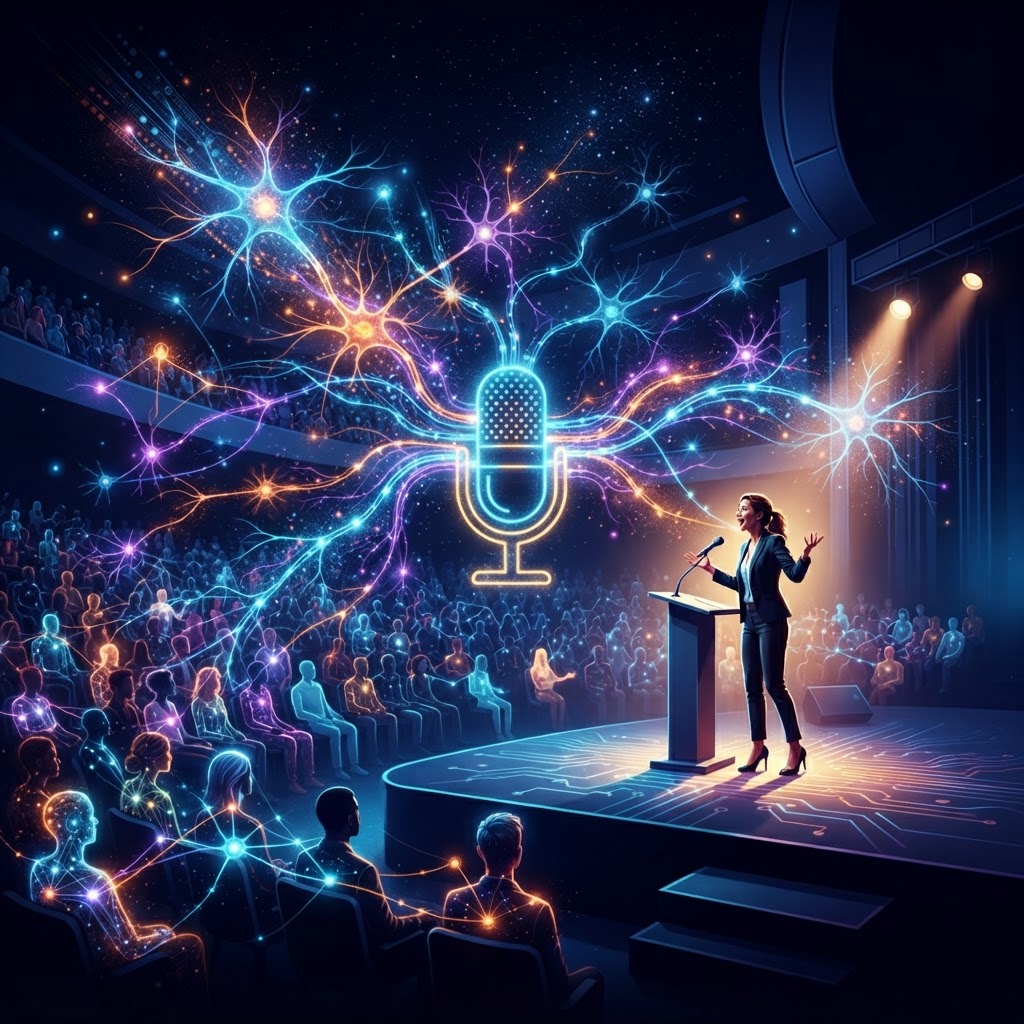
To become a speaker who commands the room, you must first understand the neuroscience of attention. Humans are hardwired to prioritize novelty and emotional resonance. When your content shifts from mere information delivery to emotional storytelling, you trigger the release of dopamine and oxytocin in your audience, creating a lasting bond that makes you memorable.

By leveraging the 'Zeigarnik Effect'—the tendency to remember uncompleted tasks—you can maintain tension throughout your talk. If you start with a compelling question and don't provide the answer until the final act, you keep the audience's brain locked onto your message.
The Power of Mirror Neurons and Empathy
Mirror neurons allow your audience to physically experience your emotions. If you are bored, they will be bored. If you are genuinely energized, that energy is contagious. Building rapport starts long before you step on stage; it begins with how you frame your value proposition to the event planner.
Creating Emotional Anchors
Every successful talk needs emotional anchors. These are specific, personal anecdotes that anchor a lesson to a feeling. Event planners look for speakers who can shift the energy of a room, not just share data.
Strategic Interaction: Moving Beyond Q&A
Engagement is a two-way street. Modern audiences crave participation. When you design your talk to include micro-interactions, you satisfy the psychological need for agency.

- Polls and Hand Raises: Use these early to establish a baseline of participation.
- Think-Pair-Share: Force the audience to process the information by discussing it with their neighbor.
- Call-and-Response: Use rhythmic interaction to physically synchronize the room.
Why Planners Value Engagement Metrics
Event planners are under pressure to prove ROI. When you prioritize engagement, you aren't just delivering a speech; you are facilitating an experience. This makes you a 'high-value' asset, allowing you to charge higher fees and secure repeat bookings.
Conclusion: Your Roadmap to Mastery
Engagement isn't a personality trait; it is a learned psychological strategy. By focusing on neuro-engagement, empathetic delivery, and intentional audience interaction, you position yourself as a top-tier professional. Ready to take your speaking career to the next level? Join the SalemSpeakers community today to connect with event planners looking for speakers who know how to move an audience.
[CTA: Join SalemSpeakers today to get discovered by top-tier event planners.]
Frequently Asked Questions
What is the primary psychological driver of audience engagement?
The primary psychological driver of engagement is the human need for emotional resonance and cognitive novelty, which triggers neurotransmitters like dopamine to improve information retention.
How do mirror neurons affect public speaking?
Mirror neurons are brain cells that cause an audience to subconsciously mimic the emotional state of the speaker, making it essential for speakers to embody the energy they want the room to feel.
Why do event planners prefer speakers who focus on engagement?
Event planners prefer engagement-focused speakers because high engagement leads to higher event satisfaction scores and better ROI, making the event more successful.
How can speakers increase their booking frequency?
Speakers increase their booking frequency by positioning themselves as 'experience creators' rather than just 'content providers,' ensuring they meet the specific psychological needs of the event's target audience.
Ready to take your speaking career to the next level? Join SalemSpeakers and connect with event planners looking for speakers like you.
Join SalemSpeakers TodayRelated Articles

How to Handle a Tough Audience Without Losing the Room
Facing a disengaged or difficult crowd? Learn professional strategies to regain control and deliver a high-impact presentation, even in the hardest rooms.

How to Handle Q&A Sessions Like a Pro: A Speaker's Guide
Turn your Q&A session into your biggest competitive advantage. Learn how to manage tough questions, maintain control, and leave a lasting impression.

From Stage Fright to Stage Presence: A Deep Dive
Transform your nervousness into magnetic charisma. Learn how to conquer stage fright and command the room as a professional speaker.
How to Build Credibility as a New Speaker and Book More Gigs
Struggling to book gigs without a track record? Learn how to build instant credibility as a new speaker and land your first paid engagements.