
Mastering Speaker Travel: Negotiating Expenses for Better Profits
Don't let travel costs eat your speaking fee. Learn expert strategies to negotiate speaker travel and expenses so you can keep more of what you earn.
Introduction
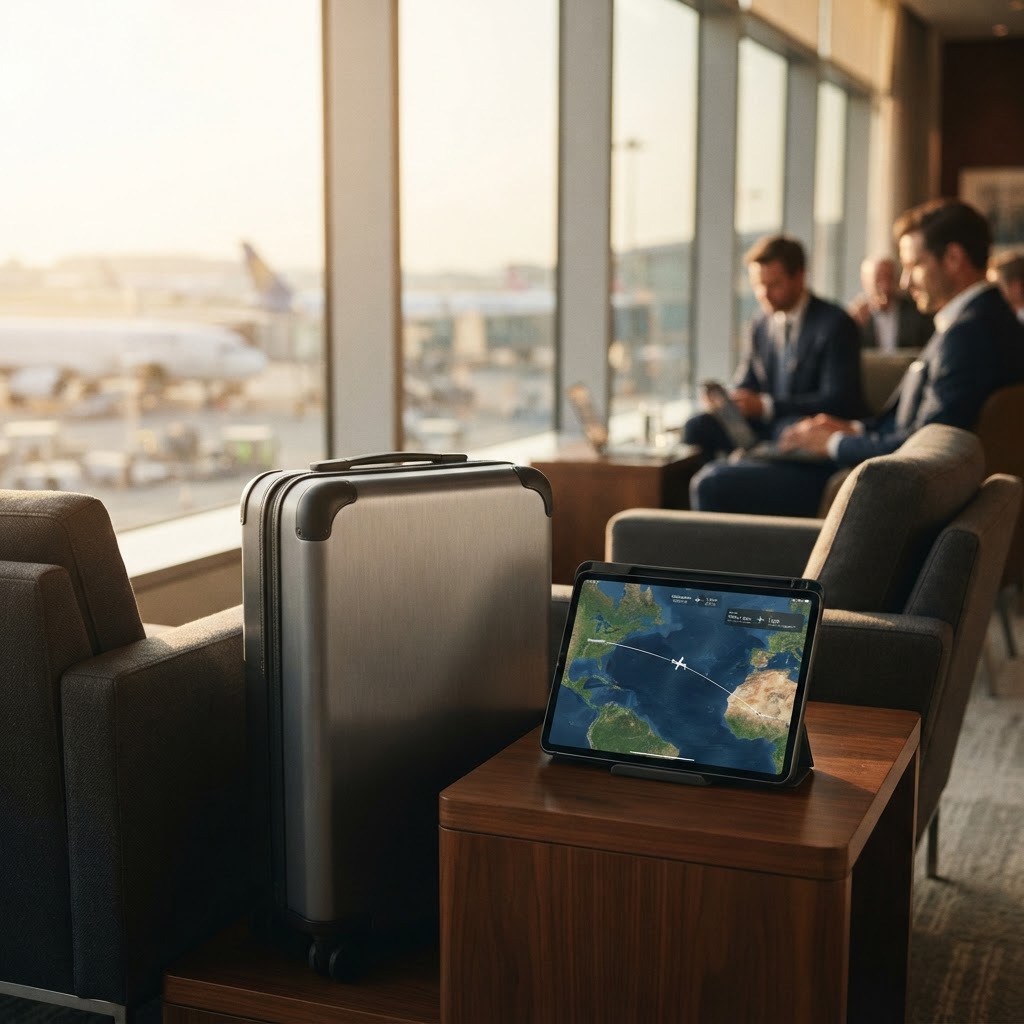
Many professional speakers focus entirely on their base speaking fee, neglecting the hidden costs that erode their margins. When you are hired to speak, the logistical burden of travel, accommodation, and ground transport can quickly turn a profitable gig into a break-even event if not managed correctly. Negotiating your travel and expenses is not just about convenience; it is about protecting your bottom line and ensuring you arrive at the venue refreshed and ready to deliver your best performance.

The Direct Bill vs. Reimbursement Model
When negotiating, you have two primary options: the 'direct bill' method and the 'reimbursement' model. The direct bill method is the gold standard for professional speakers. In this arrangement, the client books your flights, hotel, and car service directly. You simply show up. This keeps your personal finances separate and avoids the awkward process of chasing down expenses after the event.
If you must use the reimbursement model, always require an advance. Never front thousands of dollars for a client’s event. Negotiating for a 'travel stipend' is another powerful alternative. By agreeing on a flat fee for travel, you simplify the accounting and avoid the headache of submitting endless receipts.
Setting Clear Boundaries in Your Speaker Agreement
Your speaker agreement or contract should explicitly define what constitutes reimbursable travel. Ambiguity is your enemy here. If your contract doesn't specify 'business class for flights over four hours' or 'pre-arranged door-to-door ground transportation,' you might find yourself stuck in a middle seat or waiting for a ride-share service in the rain.
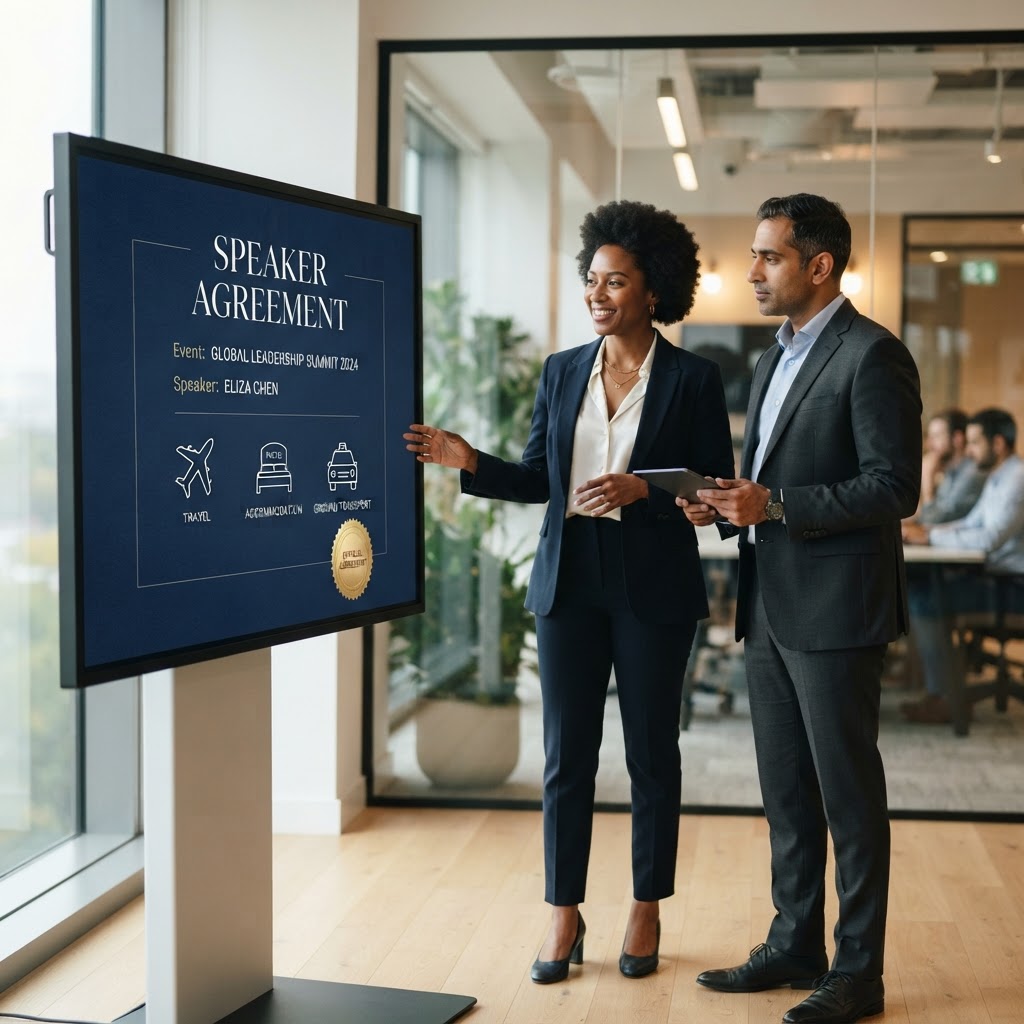
To ensure you are fully covered, include a 'Travel Rider' as an addendum to your contract. This document serves as a blueprint for your logistical requirements, detailing your preferences for hotel proximity (e.g., within walking distance of the venue), dietary requirements, and specific airline loyalty programs. This level of professionalism signals to event planners that you are a seasoned expert, not an amateur.
Negotiating Tips for Better Travel Terms
- Prioritize Direct Flights: Time is your most valuable asset as a speaker. Include a clause that mandates direct flights whenever available.
- Secure Hotel Upgrades: Negotiate for suites or club-level rooms if you need to work or conduct meetings during your stay.
- Defined Per-Diems: For events lasting multiple days, define a daily per-diem for meals so you don't have to keep track of individual coffee receipts.
- The 30-Day Rule: Always negotiate for a travel advance or direct booking to be finalized at least 30 days before the event to avoid last-minute price hikes.
Maximizing Your ROI as a Speaker
Ultimately, your travel experience affects your stage presence. If you arrive exhausted from a complicated travel schedule, your audience will notice. By standardizing your travel negotiations through SalemSpeakers.com, you ensure that every gig is not only profitable but also sustainable. Don't be afraid to walk away from contracts that force you to absorb unreasonable travel costs. As your demand grows, your leverage increases, and your terms should reflect the value you bring to the event.
Ready to get booked for high-paying gigs? Join the SalemSpeakers community today and learn how to position yourself as the premium speaker every event planner wants to hire!
Frequently Asked Questions
Should the speaker pay for their own travel and get reimbursed?
Professional speakers should ideally use the 'direct bill' method where the client pays for flights and hotels directly, avoiding the need for out-of-pocket expenses and reimbursement delays.
What is a speaker travel rider?
A speaker travel rider is an addendum to a speaking contract that explicitly details the speaker's logistical requirements, including preferred airlines, hotel standards, and ground transportation expectations.
How do I ask for a travel advance?
You can ask for a travel advance by including a clause in your contract stating that travel costs must be paid or booked by the client 30 days prior to the event date.
What should be included in speaker travel negotiations?
Speaker travel negotiations should include specifications for direct flights, hotel quality, meal per-diems, ground transportation, and who is responsible for booking logistics.
Ready to take your speaking career to the next level? Join SalemSpeakers and connect with event planners looking for speakers like you.
Join SalemSpeakers TodayRelated Articles

Mastering Speaker Travel and Expense Negotiations
Don't leave money on the table. Learn how to negotiate travel, lodging, and logistics to maximize your speaking profit and protect your professional brand.

How to Get Paid to Speak at Universities and Colleges
Unlock new revenue streams by learning how to pitch your expertise to higher education institutions. Discover the step-by-step strategy for booking college gigs.

How to Build Credibility as a New Speaker and Book More Gigs
Struggling to book gigs without a track record? Learn how to build instant credibility as a new speaker and land your first paid engagements.

Speaker Burnout: How to Pace Your Speaking Calendar
Is your speaking career feeling like a treadmill you cannot step off of? Learn how to pace your calendar, avoid burnout, and stay profitable long-term.