
Mastering the Speaker Pitch Email: How to Book More Paid Gigs
Struggling to land speaking engagements? Learn the proven framework for crafting a speaker pitch email that gets event planners to say yes.

Introduction
Most professional speakers treat their pitch emails like a sales brochure, listing every achievement and speech topic they have ever created. Event planners are busy professionals managing multiple moving parts; they don't have time to sift through long-winded paragraphs about how long you have been in the industry. The secret to landing more paid gigs is shifting the focus from your bio to the specific value you provide their unique audience. If your email doesn't solve a pain point or promise a transformative takeaway within the first thirty seconds, it will likely end up in the trash.

The Anatomy of a High-Conversion Pitch Email
A high-converting speaker pitch follows a specific psychological flow. It is concise, personalized, and benefit-driven. To start, your subject line must be impossible to ignore. Avoid generic subjects like 'Speaker Inquiry' and instead use something like 'Ideas for [Event Name]: Closing Keynote on AI Trends.'
Inside the body, follow this simple framework:
- The Hook: Acknowledge their event theme or a recent success they had.
- The Gap: Define the problem their audience is currently facing.
- The Solution: Briefly explain how your talk bridges that gap.
- The Proof: One single sentence about your credibility or past results.
- The CTA: A low-pressure invitation to chat or view a demo reel.
Personalization: The Secret Weapon for Bookings
Generic blast emails are the fastest way to get blacklisted by event planners. Before you hit send, spend five minutes researching the organization. Mention a specific initiative they launched or a challenge they are currently addressing in their industry. This proves you aren't just another speaker looking for a paycheck, but a partner who cares about the success of their event. When you demonstrate that you have done your homework, you immediately stand out from the 95% of speakers who copy-paste their outreach.

Handling the Follow-Up Without Being Annoying
Many speakers quit after one unanswered email. The reality is that planners are often swamped. A well-timed follow-up is not an annoyance; it is a service. If you haven't heard back within five to seven business days, send a polite, short note. Keep it focused on them: 'Hi [Name], just following up on my previous note. I just saw your update about [Organization News] and thought my talk on [Topic] would be a timely addition to your agenda. Let me know if you are still looking for speakers.'
Start Booking Today with SalemSpeakers
Ready to put these strategies into practice? A great pitch is only as good as the stage you are pitching to. Join the SalemSpeakers platform today to connect with event planners who are actively searching for experts like you. Build your profile, showcase your expertise, and start getting paid to do what you love.
Frequently Asked Questions
What is the best way to start a speaker pitch email?
The best way to start a speaker pitch email is by personalizing the opening to demonstrate that you understand the event planner's specific goals, theme, or audience pain points.
How long should a speaker pitch email be?
A speaker pitch email should be under 200 words to ensure the event planner can read it quickly and decide if your topic aligns with their needs.
When is the right time to follow up on a speaker pitch?
The ideal time to follow up on a speaker pitch is five to seven business days after your initial email to ensure you remain top-of-mind without appearing aggressive.
What should be included in a speaker pitch?
Your speaker pitch should include a clear value proposition, a brief mention of your relevant credibility, and a single, low-friction call to action.
Ready to take your speaking career to the next level? Join SalemSpeakers and connect with event planners looking for speakers like you.
Join SalemSpeakers TodayRelated Articles

How to Handle a Tough Audience Without Losing the Room
Facing a disengaged or difficult crowd? Learn professional strategies to regain control and deliver a high-impact presentation, even in the hardest rooms.

How to Handle Q&A Sessions Like a Pro: A Speaker's Guide
Turn your Q&A session into your biggest competitive advantage. Learn how to manage tough questions, maintain control, and leave a lasting impression.
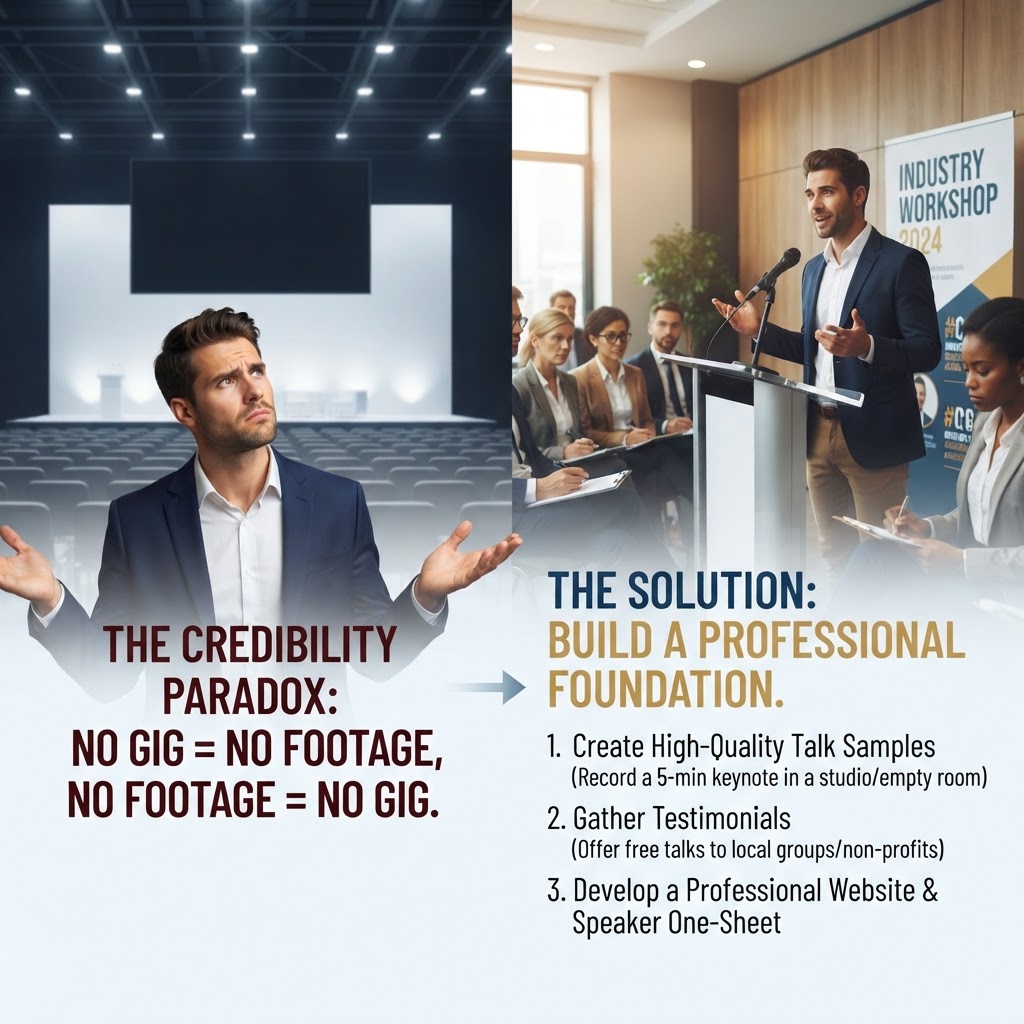
How to Build Credibility as a New Speaker and Book More Gigs
Struggling to book gigs without a track record? Learn how to build instant credibility as a new speaker and land your first paid engagements.

Anatomy of a Perfect Speaker One-Sheet: Get Booked Today
Struggling to secure speaking gigs? Learn how to craft a perfect speaker one-sheet that grabs event planner attention and helps you get paid.