
How to Find the Perfect Speaker for Your Event
Discover strategies to select the ideal speaker for your next event.

Introduction
Understanding the importance of the right speaker is crucial for crafting a successful event. Here’s how to find the perfect speaker tailored to your audience and goals.
Overview
Finding the perfect speaker means aligning with your event's objectives and audience needs. Whether you're planning a corporate conference, a motivational seminar, or a workshop, the right speaker sets the tone and engages your attendees effectively. This guide outlines clear steps and considerations to help you make the best choice.
How do you define the objectives of your event?
To find the right speaker, start by defining your event's objectives. Ask yourself the following questions:
- What is the primary goal of the event? (e.g., education, entertainment, motivation)
- Who is the target audience? (e.g., industry professionals, students, general public)
- What message do you want to convey?
Clearly defined objectives help narrow your speaker options effectively.
What type of speaker do you need?
There are various types of speakers, including:
- Keynote Speakers: Provide insight, inspiration, or a strong message that aligns with your event’s theme.
- Breakout Session Speakers: Facilitate workshops or specific topics for deeper engagement.
- Panelists: Offer a diverse perspective during discussions.
- Motivational Speakers: Inspire and energize attendees to take action.
Understanding the type of speaker you need is essential for meeting your objectives.

Where can you search for speakers?
Here are effective platforms to find speakers:
- Speaker Bureaus: Specialized agencies like SalemSpeakers.com connect event planners with professional speakers tailored to their needs.
- Professional Associations: Many industry associations have directories of speakers.
- Online Platforms: Websites like LinkedIn or social media can help identify potential speakers.
- Word of Mouth: Ask colleagues or industry peers for recommendations.
Use multiple sources to broaden your options and find speakers who fit well with your event.
How do you evaluate potential speakers?
When narrowing down potential speakers, consider:
- Experience: Look for speakers who have successfully presented at similar events.
- Reviews and Testimonials: Reading about others' experiences can provide insight into the speaker's style and effectiveness.
- Videos or Demos: Watch speaker videos to get a feel for their delivery and presence.
- Engagement Metrics: Analyze the level of audience interaction and feedback they have received previously.
What is your budget for a speaker?
Understanding your budget is critical. Here are typical cost considerations:
- Speaker Fees: Depending on prestige and demand, fees can range from hundreds to thousands.
- Travel and Accommodation: Ensure you factor in these additional costs.
- Other Expenses: Some speakers may require equipment or materials.
Be transparent about your budget when discussing potential speakers; this helps in finding the right fit without overspending.

How do you confirm speaker availability?
Once you have a speaker in mind, confirm their availability by:
- Reaching out Early: Contact potential speakers as soon as possible to discuss dates.
- Being Clear About Event Details: Provide them information about the event format and audience.
- Using a Contract: Secure the speaker’s commitment with a contract that outlines terms, fees, and expectations.
What happens after you book a speaker?
Post-booking steps include:
- Communicate Expectations: Share your goals and any specific topics you want them to cover.
- Provide Event Materials: Supply them with any relevant materials that will help them prepare.
- Reconfirm Details: Touch base a week before the event to ensure everything is on track.
By following these steps, you can ensure that your chosen speaker is well-prepared and aligned with your event objectives.
Frequently Asked Questions
How much do speakers typically charge?
Speaker fees usually range from $1,000 to over $20,000, depending on their experience and demand.
How early should I book a speaker?
Booking a speaker should be done at least 3-6 months in advance to ensure availability and preparation time.
Can I negotiate speaker fees?
Yes, many speakers are open to negotiation, especially if you can offer multiple engagements or other incentives.
What should I do if the speaker cancels last minute?
Have a backup speaker list ready, and ensure your contract includes a cancellation policy to address this scenario.
How do I ensure the speaker aligns with my audience?
Discuss your audience's demographics and preferences with the speaker to ensure they can tailor their message accordingly.
What if I can't find the perfect speaker?
Consider adjusting your criteria or looking for emerging speakers who may resonate well with your audience.
Ready to take your speaking career to the next level? Join SalemSpeakers and connect with event planners looking for speakers like you.
Join SalemSpeakers TodayRelated Articles
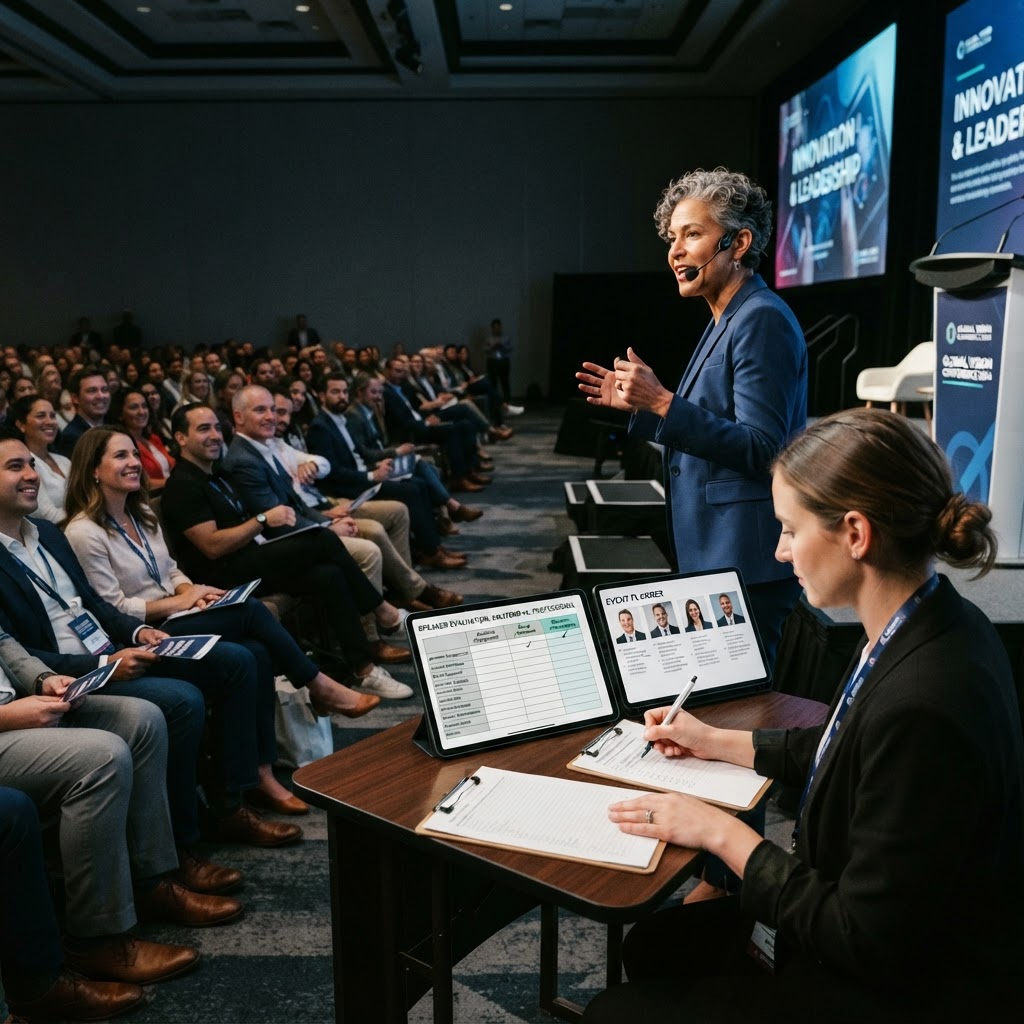
3 Questions to Vet Professional Speakers for Your Next Event
Don't gamble on your stage presence. Use these three essential questions to instantly determine if a professional speaker is truly ready for your event.

Budgeting for Your Event's Speaker Lineup: A Planner's Guide
Struggling to balance your event budget with top-tier talent? Learn how to strategically allocate funds for the perfect speaker lineup for your next event.

Speaker Vetting Checklist: How to Choose the Perfect Keynote
Ensure your next event is a success with this essential speaker vetting checklist designed for busy conference organizers.
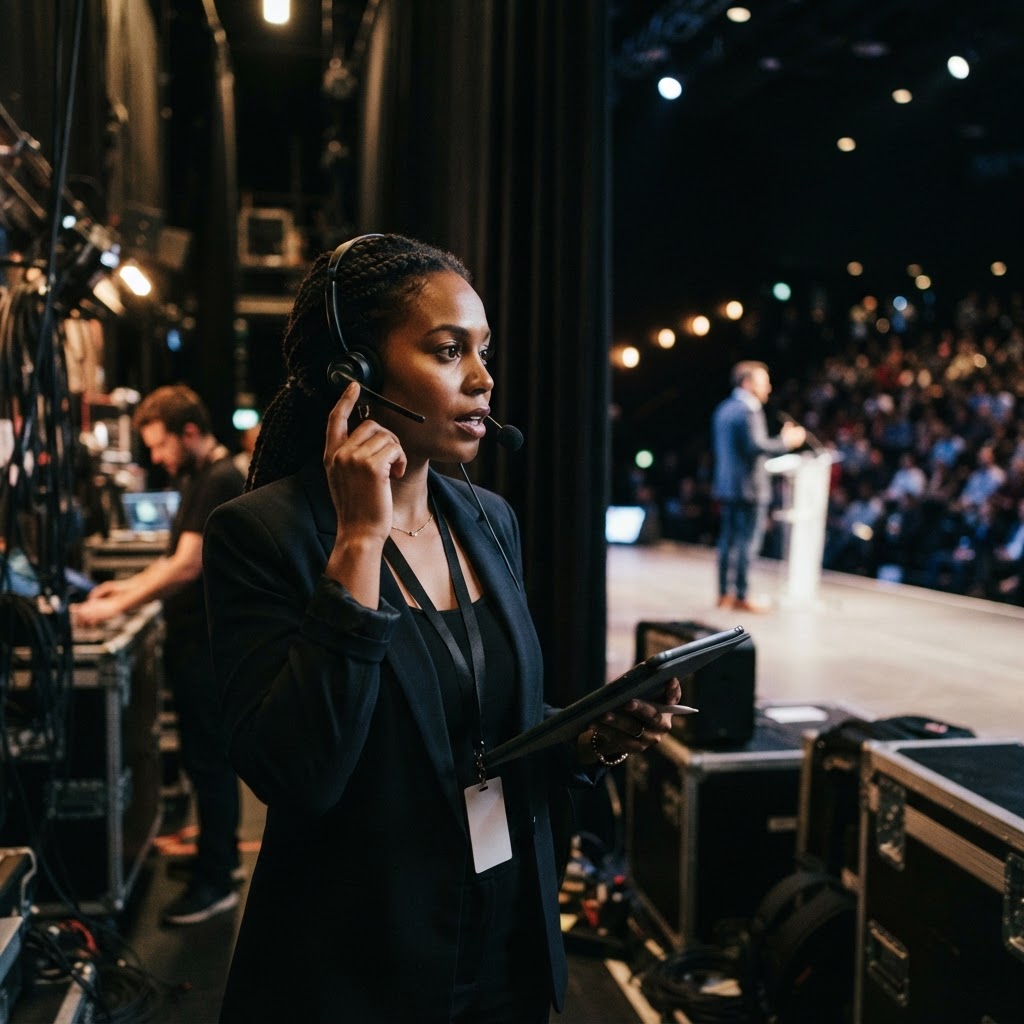
3 Questions to Vet Professional Speakers for Your Event
Selecting the right speaker can make or break your event. Learn the three essential questions to ask to ensure your keynote speaker is truly ready to deliver.