
Building Your Speaker Bio That Books More Stages
Crafting an effective speaker bio is crucial for securing more gigs. Discover key strategies to enhance your bio and attract event organizers.
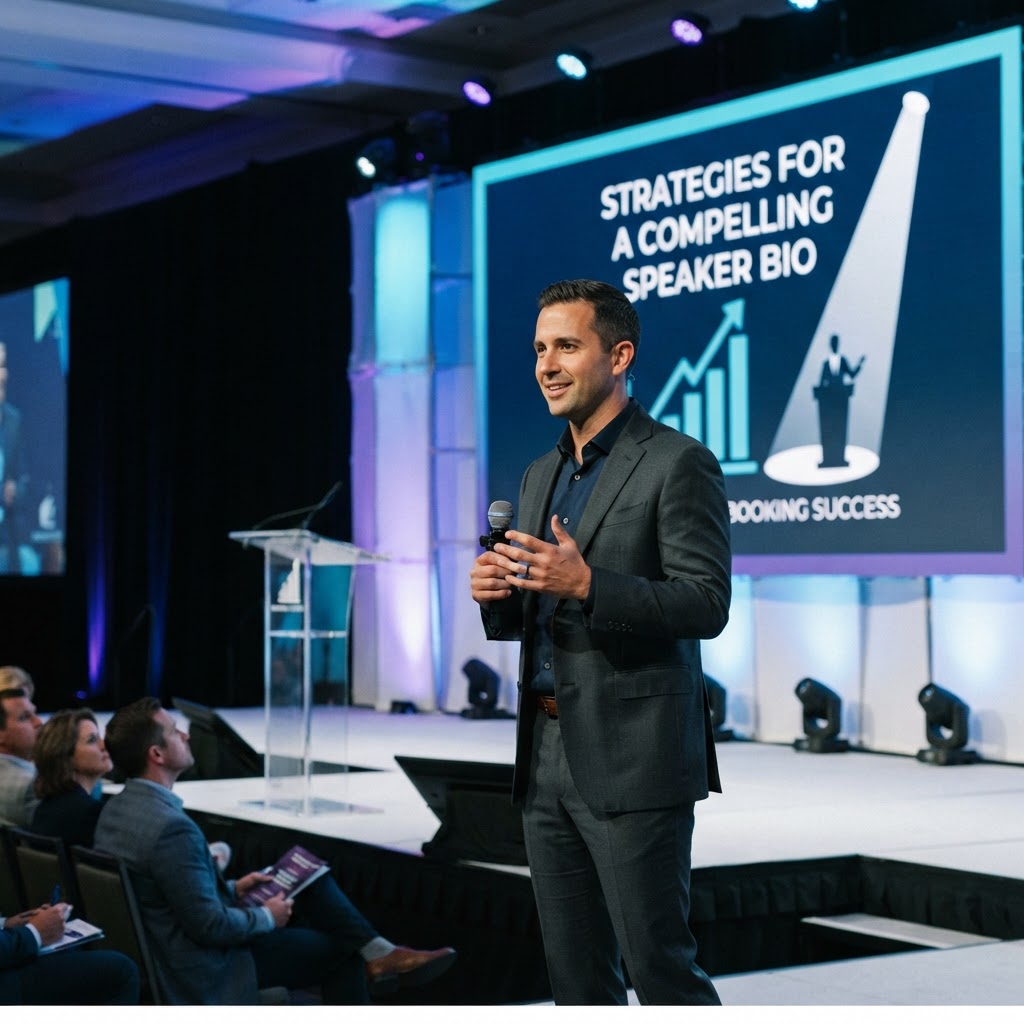
Introduction
As a professional speaker, your bio is often the first impression you make on an event organizer. An effective speaker bio not only showcases your expertise but also compels the reader to book you for their next event. In this post, we’ll outline strategies to create a compelling speaker bio that captures interest and secures more speaking gigs.
1. Understand Your Audience
Before you start writing your bio, think about who will be reading it. Event organizers look for speakers who not only fit their event’s theme but also draw in attendees. Ask yourself:
- What industries do my potential clients belong to?
- What issues or challenges are they facing?
- How can I address these in my bio?
Understanding your audience allows you to tailor your bio to resonate with them effectively.
2. Start with a Strong Opening
The first sentence of your bio should grab attention immediately. Use a powerful statement or a relevant statistic to pique interest. For example:
"With over 15 years of experience in leadership development, I’ve helped organizations increase their productivity by 30%."
Such a statement not only highlights your experience but also quantifies your impact.
3. Highlight Your Expertise
Clearly outline your areas of expertise. Utilize bullet points to make it easy for event organizers to skim through:
- Industry Knowledge: Specify the industries you’ve worked in and the topics you cover.
- Unique Selling Proposition (USP): What makes you different from other speakers?
- Credentials: Mention your qualifications that are relevant to speaking engagements.
For example:
"I specialize in motivation, leadership, and business growth, holding an MBA from Harvard and certifications from the International Coach Federation."
4. Share Your Speaking Experience
Include a brief overview of your speaking experience. List notable events where you have presented, brands you have worked with, or any media appearances. This establishes credibility. Consider using a small section titled “Past Speaking Engagements” to enhance visibility:
- Keynote speaker at the National Business Conference 2022
- Guest expert on "The Future of Work" series on TEDx
5. Include Testimonials
Adding a few testimonials can significantly boost your credentials. Choose short quotes from event organizers or feedback from audience members that affirm your value.
“John captivated our audience with his engaging delivery and actionable insights. Highly recommend!” – [Event Organizer, Marketing Summit 2023]
6. Use Engaging Language
Make your bio personable and relatable. Use a conversational tone where appropriate. Avoid jargon and keep sentences concise.
7. Call to Action
Closing your bio with a call to action encourages readers to take the next step. You might say:
“Ready to inspire and empower your audience? Let’s discuss your next event!”
8. Keep It Updated
Ensure your bio reflects your latest accomplishments and experiences. Regular updates not only keep your information relevant but also showcase your continuous growth as a speaker.
9. Format for Readability
Consider how your bio looks on the page. Use short paragraphs, bullet points, headers, and plenty of white space. This enhances readability and makes it easier for event organizers to find the information they need.
Conclusion
Your speaker bio is a vital tool in securing more gigs. By understanding your audience, crafting a compelling narrative, and presenting your qualifications and testimonials effectively, you can create a bio that not only impresses but also opens doors to more speaking opportunities.
Frequently Asked Questions
How long should my speaker bio be?
Aim for a bio that is between 150-300 words; concise yet informative.
Should I include personal details in my speaker bio?
It’s fine to include personal anecdotes if they contribute to your expertise or connect with the audience. Keep it professional, though.
How often should I update my speaker bio?
Regularly review and update your bio every few months or whenever you achieve a new milestone.
Ready to take your speaking career to the next level? Join SalemSpeakers and connect with event planners looking for speakers like you.
Join SalemSpeakers TodayRelated Articles

Getting Booked on Podcasts to Build Your Speaking Career
Discover how to leverage podcasts to boost your speaking career, attract more gigs, and connect with new audiences. Learn actionable strategies for getting featured on popular podcasts.

Mastering TEDx: Your Path to Speaking Success
Unlock the secrets to applying and getting selected for TEDx talks!

Creating a Speaker One-Sheet That Books Gigs
Learn how to craft a powerful speaker one-sheet to increase your bookings.

Mastering Public Speaking: Top Stage Presence Tips
Elevate your speaking skills with expert stage presence tips.