
10 Essential Event Planning Tips for Unforgettable Events
Make your next event unforgettable with these 10 essential planning tips.

Introduction
Planning an unforgettable event requires attention to detail, creativity, and strategic thinking. Here are 10 essential tips that will elevate your event and leave a lasting impression on your attendees.
Overview
When it comes to event planning, having a solid strategy is key to success. From setting clear objectives to understanding your audience, these tips encompass all aspects of planning that contribute to a memorable experience.
What Should You Consider First in Your Event Planning?
The first step in effective event planning is to define your goals.
- Set clear objectives: What do you want to achieve? Networking? Education? Promotion?
- Know your audience: Understanding their needs and preferences shapes the event.
- Budget wisely: Determine what resources you can allocate for various aspects of the event.

How Do You Create a Compelling Venue Experience?
Choosing the right venue makes an enormous impact.
- Location accessibility: Ensure it’s easy for attendees to reach.
- Ambiance and facilities: Look for venues that fit the tone of your event.
- Technical capabilities: Check audio-visual equipment availability and internet access.
What Factors Make a Great Speaker?
Hiring a skilled speaker can transform your event. Consider the following:
- Relevance: Ensure the speaker’s topic aligns with your event goals.
- Engagement skills: Look for someone who connects well with an audience.
- Experience: Confirm they have a proven track record in their field.
How Can You Effectively Promote Your Event?
To attract attendees, effective promotion is essential.
- Utilize social media: Leverage platforms like Facebook, LinkedIn, and Instagram.
- Email marketing: Send targeted emails to potential attendees and past participants.
- Create a dedicated event page: Make all information accessible in one place.
Why Is Timing Important in Event Planning?
Timing affects every element of your event.
- Choosing the right date: Research potential conflicts and peak seasons.
- Agenda timing: Schedule activities to maintain engagement.
- Pre-event timeline: Allow ample time for marketing and ticket sales.

How Do You Ensure Attendee Engagement?
Keeping attendees engaged is crucial for a successful event.
- Interactive sessions: Include Q&A, polls, and breakout sessions.
- Networking opportunities: Facilitate spaces for interaction among guests.
- Engaging content: Choose speakers who can captivate your audience with their presentation style.
What Are Smart Budgeting Tips for Events?
An effective budget is foundational for successful events. - Prioritize expenses: Identify must-haves versus nice-to-haves.
- Negotiate contracts: Don’t accept the first quote; negotiate for better rates.
- Track expenses: Use budgeting tools to keep track of spending.
How Do You Manage Logistics Smoothly?
Logistics are often underestimated but are crucial for event flow.
- Create a checklist: Outline all tasks from inception to execution.
- Have a backup plan: Prepare for potential hiccups with contingency options.
- Assign roles: Ensure team members know their specific responsibilities.
Why Is Feedback Important After the Event?
Feedback can guide future improvements.
- Surveys: Distribute post-event surveys to gather insights.
- Analyze data: Assess metrics like attendance rates and engagement levels.
- Follow up with attendees: This shows you value their opinion and encourages future participation.
What Is the Importance of Post-Event Marketing?
Post-event engagement can enhance your reputation:
- Share highlights: Use social media and newsletters to showcase event success.
- Thank your attendees: A simple thank you message reinforces positive relationships.
- Promote future events: Keep the momentum going by teasing what’s next.
Conclusion
Utilizing these tips will help ensure your next event is not only successful but also leaves a lasting impact on all attendees. By focusing on planning, promotion, engagement, and follow-ups, you set the stage for an unforgettable experience.
Frequently Asked Questions
What are the top priorities in event planning?
The top priorities include defining goals, understanding the audience, and budgeting appropriately.
How can I choose the right venue for my event?
Select a venue based on its accessibility, ambiance, facilities, and technical capabilities.
What should I look for in a speaker?
Look for relevance, engagement skills, and experience that aligns with your event's theme.
What are effective ways to promote an event?
Utilize social media, email marketing, and create a dedicated event page to effectively promote your event.
Why is collecting feedback after an event important?
Collecting feedback is crucial as it helps improve future events by understanding attendee experiences.
Ready to take your speaking career to the next level? Join SalemSpeakers and connect with event planners looking for speakers like you.
Join SalemSpeakers TodayRelated Articles
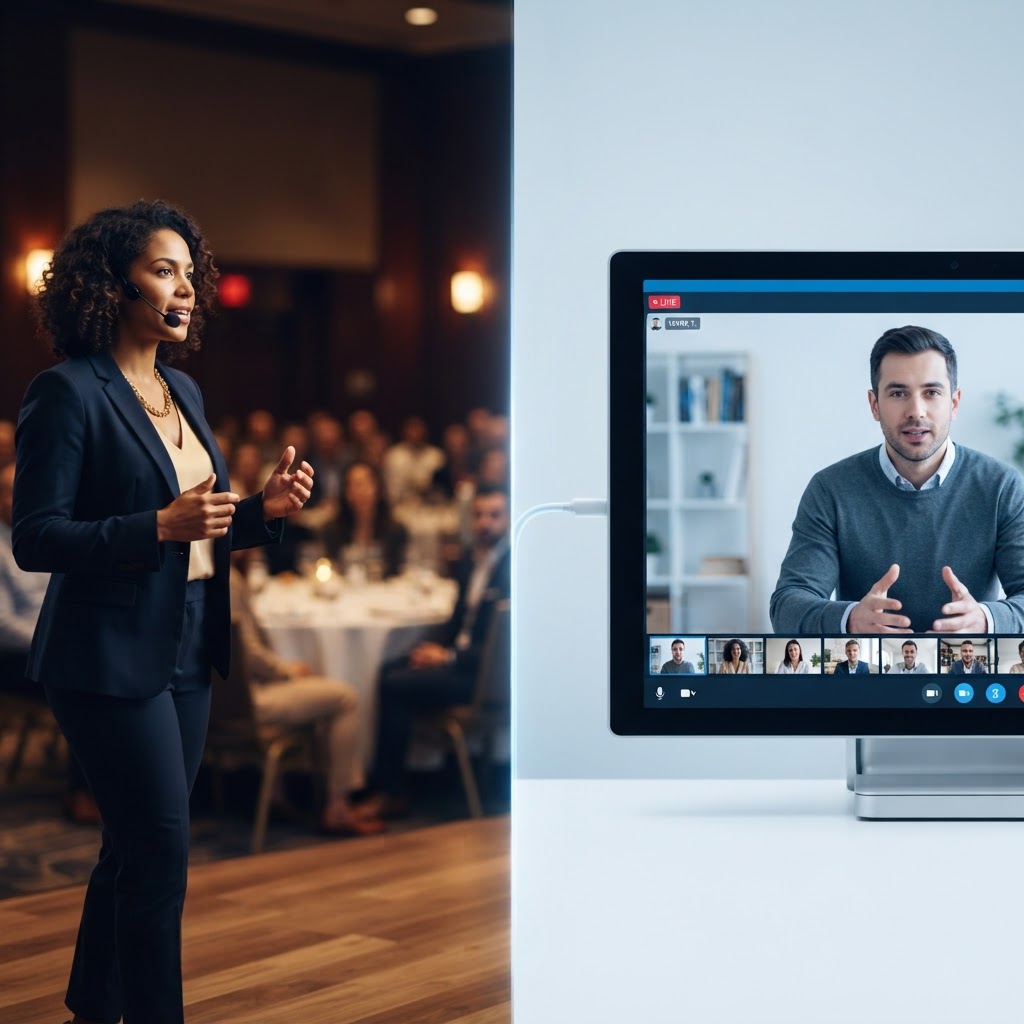
Virtual vs. In-Person Speakers: Choosing the Right Format
Struggling to choose between virtual and in-person speakers? Learn how to evaluate your event goals, budget, and attendee experience to make the right choice.

Beyond the Keynote: How to Create Interactive Event Experiences
Transform your next event from a passive lecture into an engaging journey. Learn how to create interactive experiences that keep your audience captivated.
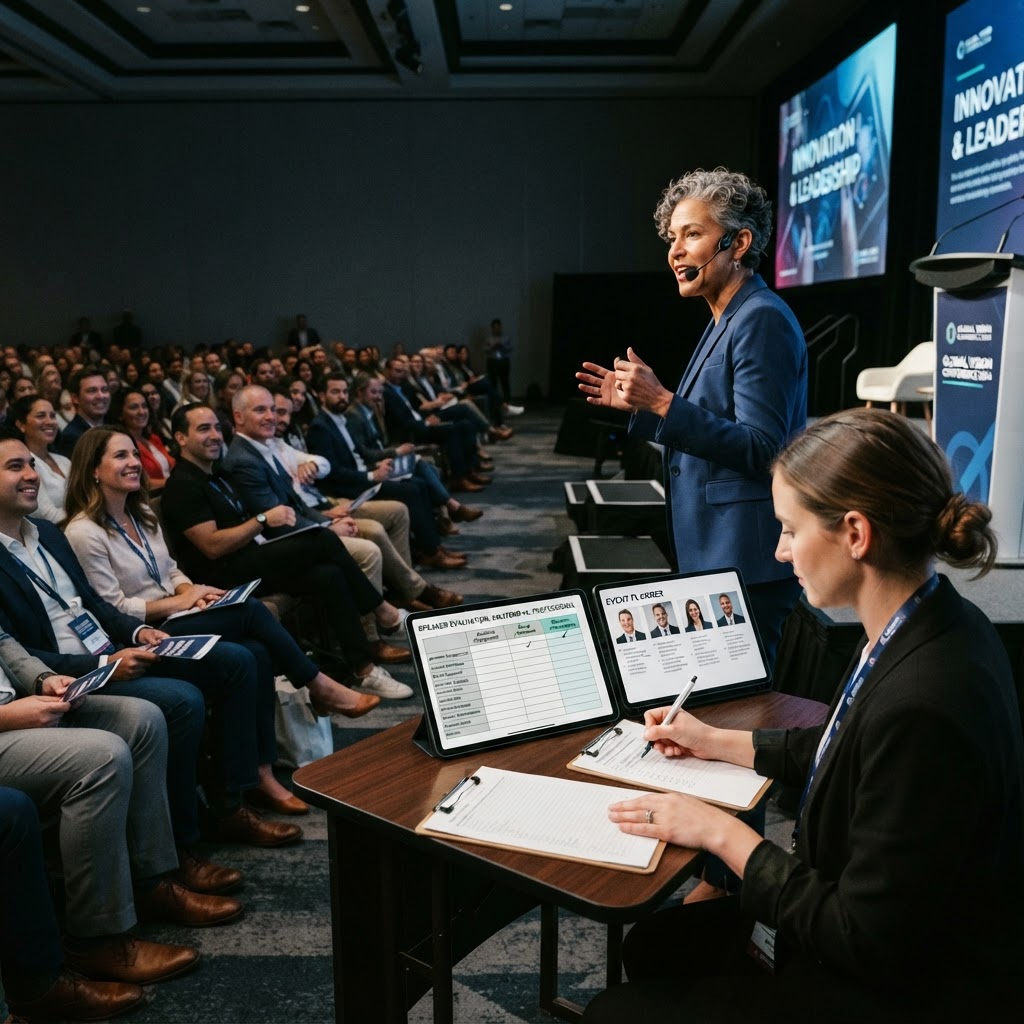
3 Questions to Vet Professional Speakers for Your Next Event
Don't gamble on your stage presence. Use these three essential questions to instantly determine if a professional speaker is truly ready for your event.

Budgeting for Your Event's Speaker Lineup: A Planner's Guide
Struggling to balance your event budget with top-tier talent? Learn how to strategically allocate funds for the perfect speaker lineup for your next event.